
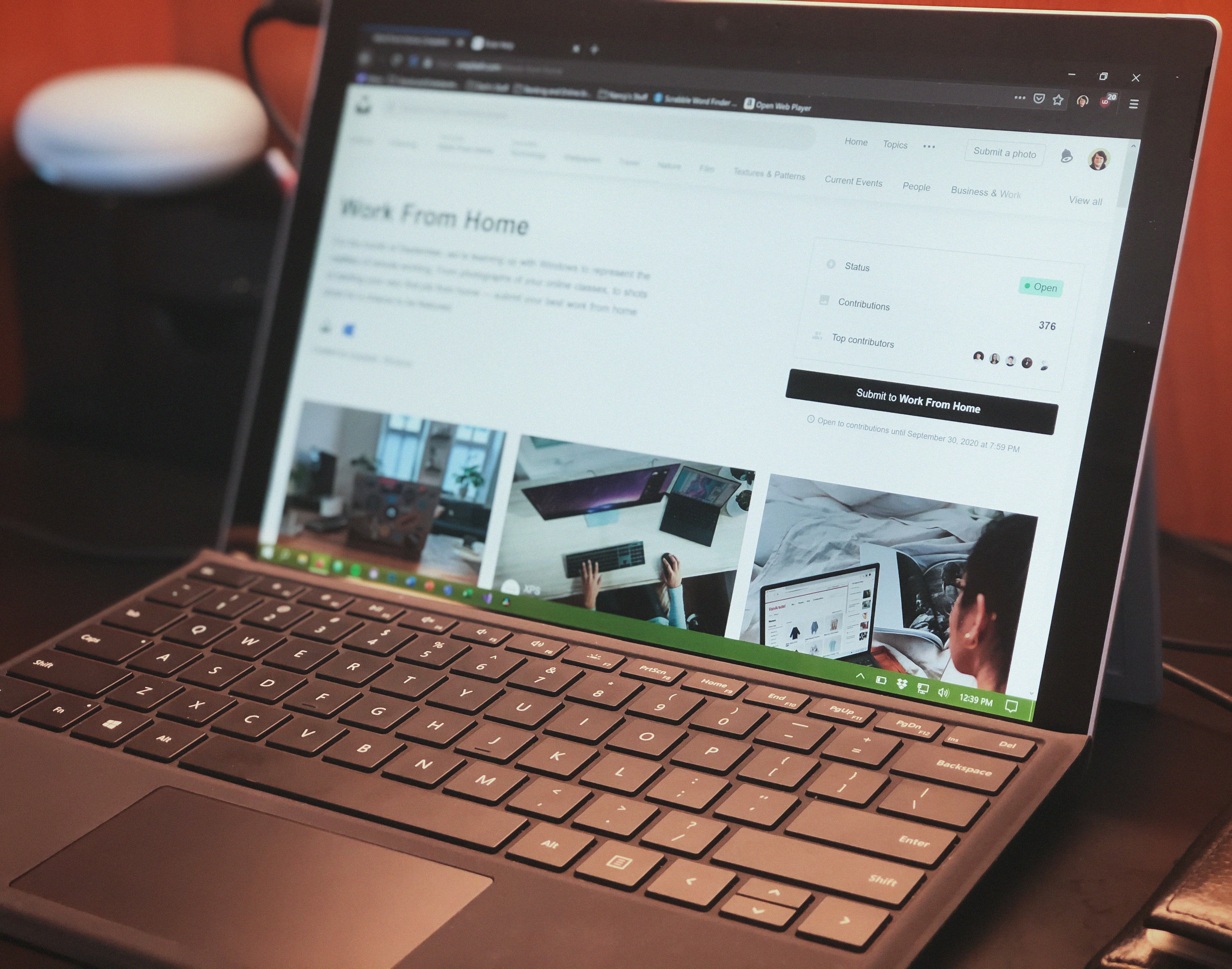
Introduction to Remote Work
In recent years, remote work has gained significant traction, becoming an attractive alternative to traditional office-based employment. This shift is attributed to several factors, including advancements in technology, changing workforce demographics, and evolving attitudes towards work-life balance. The ability to connect and collaborate over digital platforms has revolutionized how businesses operate, allowing for a flexible work environment that benefits both employers and employees.
One of the primary drivers of the remote work trend is the increasing demand for flexibility in job arrangements. Employees are seeking opportunities that allow them to integrate their professional and personal lives, leading to higher job satisfaction. Remote work provides individuals the chance to tailor their schedules, making it easier to manage responsibilities such as family care or personal commitments without sacrificing productivity.
Another notable benefit of working remotely is the potential for an improved work-life balance. Without the time-consuming burden of daily commutes, employees can allocate more time to their personal lives or even pursue further education. The reduced travel time not only enhances individual well-being but also contributes to decreased stress levels, fostering a healthier working environment.
Moreover, companies recognize the cost savings associated with remote work, including reduced overhead expenses related to maintaining physical office spaces. By facilitating a remote workforce, businesses can tap into a broader talent pool, attracting skilled professionals who may not reside nearby. This approach enables organizations to remain competitive in an evolving job market, adapting to the needs and expectations of the modern workforce.
Ultimately, the rise of remote work is reshaping the traditional employment landscape. As more individuals embrace this flexible arrangement, the trend is likely to continue growing, offering substantial benefits to those who choose to embark on this journey.
Identifying Your Skills and Interests
Embarking on a remote working journey necessitates a thorough understanding of one’s skills and interests. Performing a self-assessment is an essential first step for individuals seeking to discover job opportunities that align with their strengths and passions. Begin by reflecting on your previous experiences. Consider the roles you have held, the tasks you enjoyed, and those that left you feeling energized. This retrospective view can offer valuable insights into your competencies.
Various self-assessment tools can facilitate this process. Online assessments, such as personality tests or skills inventories, are widely available and can help highlight your key abilities and areas for improvement. For instance, tools like the Myers-Briggs Type Indicator (MBTI) or StrengthsFinder can provide a framework for understanding your behavioral tendencies and core strengths. Engaging in these activities can clarify the types of remote work that might suit you best.
Additionally, consider canvassing feedback from colleagues, friends, or family members regarding your skills. Others may perceive talents that you may overlook, giving you a more comprehensive understanding of your abilities. Furthermore, identifying your interests is equally important. Jot down activities you are passionate about or hobbies that absorb your attention. This reflection will assist in pinpointing remote work categories, such as writing, programming, or digital marketing, that resonate with you.
Lastly, ensure that your assessment encompasses a dynamic view of your skills. The job market continues to evolve, and being adaptable is crucial. Engaging in online courses or workshops can enhance your existing skills while keeping you abreast of industry trends. Thoughtfully evaluating your skills and interests not only prepares you for remote opportunities but also empowers you to pursue a fulfilling career path that aligns with your values and aspirations.
Researching Legitimate Remote Work Opportunities
In recent years, the landscape of employment has shifted considerably, with remote work becoming a viable and appealing option for many. However, as you embark on your journey to find legitimate remote work opportunities, it is essential to conduct thorough research to avoid scams and identify trustworthy job listings. One effective approach is to leverage dedicated job boards that specialize in remote positions. Websites such as Indeed, Remote.co, and FlexJobs are excellent starting points. They curate listings specifically for remote roles, filtering out traditional job postings that may not be relevant to your search.
Additionally, professional networking sites like LinkedIn can be valuable resources. You can use filters to narrow down search results by job type, allowing you to see only remote positions. Engaging with industry-related groups on LinkedIn may also provide insights and leads on remote work. Remember to utilize social media platforms like Twitter, where many companies announce remote job openings through hashtags such as #RemoteJobs or #WorkFromHome.
When browsing for remote positions, it is equally important to identify red flags that may indicate a scam. These can include job listings that promise unrealistic compensation for minimal work, vague descriptions without company details, or a lack of official website or contact information. Always conduct due diligence by researching the company. Look for reviews on platforms like Glassdoor and consider checking their social media presence for authenticity.
Moreover, consider tapping into your existing network. Letting friends and former colleagues know that you are seeking remote work can lead to legitimate referrals. By being proactive and cautious, you can navigate the remote job market effectively, ensuring that you find genuine opportunities that align with your skills and career goals.
Crafting a Winning Resume and Cover Letter
When embarking on a journey to find legitimate work-from-home opportunities, particularly for remote positions, the importance of a strong resume and cover letter cannot be overstated. These documents often serve as the first impression a potential employer has of a candidate. Therefore, tailoring your resume and cover letter specifically to remote jobs is essential for maximizing your chances of success.
To create an effective resume, begin by highlighting relevant skills and experience that align with the demands of remote work. Emphasize your proficiency in communication tools such as Zoom, Slack, or Asana, which are integral to maintaining connectivity and productivity in a remote environment. Additionally, consider including any experience you have with remote collaboration or projects that required self-management, as these are qualities that employers value highly.
Moreover, it is beneficial to incorporate keywords from the job description into your resume. This not only demonstrates your attention to detail but also helps to ensure your application is noticed by Applicant Tracking Systems (ATS) that many companies use to screen candidates. Be mindful to strike a balance between including relevant keywords and maintaining natural language throughout your document.
When crafting your cover letter, utilize this opportunity to narrate your story. Discuss your motivation for seeking remote work and articulate how your previous experiences have prepared you for this type of role. Emphasize your adaptability and ability to maintain a secure work-life balance, as these attributes are crucial for successful remote employment.
Finally, proofreading is essential. A clean, error-free resume and cover letter not only convey professionalism but also reflect your seriousness about the position. In summary, focusing on relevant experience, keywords, and personalized storytelling in your resume and cover letter is key to attracting potential employers in the realm of remote work.
Preparing for Remote Job Interviews
As the landscape of employment shifts towards remote opportunities, preparing for virtual job interviews has become essential for applicants seeking legitimate work-from-home positions. A successful interview not only requires a strong resume and qualifications but also a well-thought-out approach to technology and communication.
A proper technology setup is crucial for a smooth interview experience. Ensure that your computer or laptop is equipped with a reliable webcam and microphone, as clear audio and video are critical for effective communication. Additionally, check your internet connection to avoid disruptions during the interview. Conducting a test run with a friend can help you identify any technical issues before the actual interview, providing you with added confidence.
Creating a dedicated interview space is another important preparation step. Seek out a quiet, well-lit area in your home free from distractions. A clean and organized setting will contribute to a professional appearance, which is vital when making a good impression on potential employers. Pay attention to your background; consider having a neutral wall or a bookcase that conveys professionalism. Additionally, ensure that you are dressed appropriately, mirroring what you would wear to an in-person interview, as this helps set the tone for the conversation.
Communication during a remote interview plays a significant role in how you present yourself. Practice making eye contact with the camera rather than the screen to create a more engaging experience. Employ active listening techniques, such as nodding and responding relevantly to the interviewer’s questions. Being aware of your body language and facial expressions is equally important, as these non-verbal cues can greatly influence the interaction.
By committing to these preparations—technology setup, a suitable interview space, and effective communication strategies—you will enhance your chances of making a positive impression and securing a remote job opportunity.
Building a Strong Online Presence
In today’s digital age, having a robust online presence is crucial for anyone looking to work remotely. It allows prospective employers to find you and evaluate your qualifications and interests quickly. Key to establishing this presence is creating a well-rounded profile on professional networking platforms, notably LinkedIn. This platform is increasingly significant for remote job seekers, as it not only enables you to showcase your skills and experience but also connects you with other professionals in your industry.
Firstly, ensure that your LinkedIn profile is complete with a professional photo, a compelling headline, and an engaging summary that highlights your skills and aspirations in remote work. Including specific keywords related to your desired role can enhance your profile’s visibility in searches conducted by hiring managers and recruiters. Furthermore, detailing your accomplishments in previous positions can help paint a comprehensive picture of your capabilities to potential employers.
Networking effectively is another critical component of building your online presence. Engage with industry peers by joining relevant groups, participating in discussions, and sharing insightful content that reflects your expertise. This activity not only improves your visibility but also demonstrates your commitment to your field, making you more attractive to employers looking for dedicated candidates.
Moreover, consider developing a personal brand beyond LinkedIn, possibly through a professional blog or a portfolio that showcases your work. Utilizing these platforms can communicate your expertise more vividly and establish your credibility within your industry. As you curate and share quality content, you begin to position yourself as a thought leader, further amplifying your chances of being noticed by potential employers.
Understanding Remote Work Tools and Technology
Remote work relies heavily on various tools and technologies that facilitate communication, project management, and time tracking. Understanding how to utilize these tools effectively can significantly enhance productivity and streamline workflows for individuals working from home.
Communication tools are fundamental in a remote work environment. Platforms such as Slack, Zoom, and Microsoft Teams enable real-time interaction among team members, fostering collaboration despite physical distance. These tools offer features like video conferencing, instant messaging, and file sharing, which are crucial for maintaining professional relationships and ensuring clarity in communication.
Project management tools, like Trello, Asana, and Monday.com, play a vital role in organizing tasks and monitoring progress. These platforms allow remote workers to assign tasks, set deadlines, and keep track of project timelines. By utilizing boards and lists, individuals can visualize their workload and prioritize effectively. For teams, these tools enhance accountability and make it easier to work towards common goals.
Time tracking tools are also essential for remote workers to manage their time efficiently. Applications such as Toggl, Harvest, and Clockify allow individuals to monitor their working hours, analyze productivity patterns, and ensure that they are completing tasks within required timeframes. Using these tools helps in maintaining work-life balance by providing insights into how much time is being spent on different activities.
Adapting to these technologies can be a challenge for some. To ease this transition, it is advisable to dedicate time for training or to take advantage of online tutorials. Establishing routines around the use of these tools can also help in integrating them seamlessly into daily work practices, ultimately leading to improved efficiency and communication.
Establishing a Home Office Environment
Creating a dedicated home office environment is crucial for anyone embarking on a remote work journey. This space should not only reflect your personal style but also enhance productivity and comfort. When setting up your workspace, consider the furniture you choose carefully. An ergonomic chair is essential for maintaining good posture, as you will likely be seated for extended periods. Additionally, a spacious desk that can accommodate your computer, files, and other essential work tools is advisable. A well-organized desk can significantly improve efficiency and workflow.
In terms of organization, keeping your workspace clutter-free is vital. Utilize drawer organizers, shelves, and filing cabinets to store documents and office supplies systematically. Implementing a system for task management, whether through digital applications or physical planners, can also facilitate better time management. Strategically placing items that you frequently use within arm’s reach will help streamline your daily tasks, reducing unnecessary movements which can disrupt your focus.
Furthermore, eliminating distractions is a critical component of establishing a productive home office. Identify sources of interruptions, which could range from household chores to family activities. Designate specific hours for work, informing household members of your schedule can limit disruptions. Consider utilizing noise-canceling headphones or establishing a quiet zone to aid concentration.
Lighting is another important aspect to consider while setting up your home office. Natural light can boost mood and alertness, so positioning your desk near a window can be advantageous. If that is not feasible, investing in quality task lighting to reduce eye strain is recommended. Combining these elements effectively will help create an environment conducive to productivity and comfort, setting the right tone for your remote work experience.
Staying Motivated and Managing Time Effectively
Working remotely offers numerous benefits, but it also presents unique challenges, particularly in maintaining motivation and managing time effectively. To succeed in a remote work environment, you must adopt strategies that help you stay focused and organized. One fundamental aspect of remote work is establishing clear boundaries between professional and personal time. By defining specific work hours and communicating these to family members or housemates, you ensure that interruptions are minimized, which enhances your overall productivity.
Creating a structured daily schedule can significantly improve your work performance. A well-organized timetable not only prioritizes tasks but also allocates time for breaks. For instance, the Pomodoro Technique, which involves working for 25 minutes followed by a 5-minute break, can help maintain your concentration and reduce burnout. During these break periods, it is essential to engage in activities that promote relaxation and mental clarity, such as stretching, taking a short walk, or meditating.
In addition, setting achievable goals can also keep you motivated. By breaking larger projects into smaller, manageable tasks, you facilitate a sense of accomplishment as each task is completed. Utilizing tools like calendars, to-do lists, or project management software can further aid in tracking your progress and deadlines. Moreover, creating a dedicated workspace can greatly influence your work ethic. Ensure that your work environment is comfortable, organized, and free from distractions. This physical separation can signal your mind when it is time to work and when it is time to relax.
Regular self-assessment is another technique that enables you to gauge your motivation levels. At the end of each day, reflect on your achievements and areas for improvement. Being proactive in identifying challenges allows you to adapt your strategies accordingly, ensuring sustained motivation throughout your remote working journey.